안녕하세요. 지난 7월 4일 그리고 16-18일에 걸쳐 카카오 임팩트 챌린지에 참여한 후기와 소감에 대해 이야기해보려 합니다.
4일은 오리엔테이션이 진행되었고 16-18일에는 3일동안 무박 3일 부트캠프가 있었습니다.
짧은 시간이었지만, 정말 많은 것들을 배울 수 있었던 시간이고 여러가지 느낀 점이 많아 기록하고 공유하려 합니다.
Hello! I'd like to share my experience and reflections from participating in the Kakao Impact Challenge, which took place on July 4th and July 16th to 18th.
The orientation was held on the 4th, and then from the 16th to the 18th, we had an intense three-day, overnight bootcamp with no breaks in between.
Although the time was short, it was incredibly rich and full of learning. I gained a lot, both practically and emotionally, and I’d like to document and share those insights here.
오리엔테이션 Orientation

오리엔테이션을 맞아 판교에 있는 카카오 아지트로 발걸음을 옮겼습니다. 판교는 잘 갈 일이 없어서 괜히 두근거렸어요.
For the orientation, I headed over to Kakao Agit in Pangyo.
Since I don’t usually have a reason to visit Pangyo, I felt a little excited.

들어가서는 다과와 함께 제 이름표가 준비되어 있었습니다.
홀에 들어서자 저와 같이 다양한 열정과 목표를 가지고 참여한 다른 학생분들이 앉아있는 걸 보니 드디어 시작이라는 설렘과 기대, 긴장이 되었던 것 같아요. 그리고 좋은 팀을 만날 수 있기를 바랬습니다.
When I walked in, my name tag was already prepared along with some refreshments.
As I entered the hall and saw other students sitting around, each with their own passion and goals. I felt a mix of excitement, anticipation, and a bit of nervousness. I also found myself hoping that I’d be matched with a great team.

처음 카카오가 안산에 데이터센터를 설립하고 어떻게 한양대 에리카와 협력하게 되었는지에 대한 설명을 들었습니다.
카카오는 다른 IT기업과 달리 데이터센터를 데이터 저장소의 기능으로만 사용하지 않고 열려있고 상생하는 공간으로 만들고 싶었다고 합니다. 안산이라는 지역, 그리고 한양대 에리카 학생들과 함께 더불어 가는 모습을 꿈꿨습니다.
그리고 작년 1기에 이어 이번년도 카카오 임팩트 챌린지 2기를 개최하게 되었습니다.
We first heard an explanation about how Kakao decided to establish a data center in Ansan and how the collaboration with Hanyang University ERICA came about.
Unlike other IT companies, Kakao didn’t want its data center to serve merely as a storage facility—it aimed to create an open, collaborative space that fosters mutual growth. The vision was to grow together with the local community in Ansan and with students from Hanyang University ERICA.
Following the success of the first round last year, the Kakao Impact Challenge has now launched its second cohort.

카카오 임팩트 챌린지는 '사용자 그리고 현장 중심 접근법'을 강조하는 프로젝트였습니다.
학교 교과 과정에서의 공부는 사실 이론에 치우쳐 자칫 실제로 그것을 마주하게 될 사용자에게는 그 실질적인 혜택이 돌아가지 못하는 경우가 발생할 수 있습니다. 이런 전통적 방식에서 벗어나 학생들과 함께 현장에서 직접 유저들의 목소리를 들어보며 bottom-up 방식의 솔루션 메이킹을 진행하려 했습니다.
그리고 어쩌면 이런 리서치 방식과 문제해결 방식이 효율적이진 못하더라도 효과적인 방법이라는 생각으로 공감하게 되었고, 이번 프로젝트를 더 몰입도있게 임할 것이라는 저만의 굳은 다짐을 했습니다.
The Kakao Impact Challenge emphasized a user-and field-centered approach to problem-solving.
In traditional academic settings, learning often leans heavily toward theory. As a result, there can be a disconnect between what we design and the real needs of the actual users. Sometimes, the people we intend to help don’t receive the practical benefits of those solutions.
This project aimed to break away from that conventional top-down approach. Instead, we worked directly with users on the ground, listening to their voices and creating bottom-up solutions together with students.
I found myself strongly resonating with the idea that even if this research and problem-solving method isn’t always the most “efficient,” it’s far more effective. That belief gave me a deeper sense of commitment, and I made a firm decision to fully immerse myself in the process.
데스크 리서치 Desk Research


현장에 나가기 전, 저와 저희 팀은 우선 데스크 리서치를 통해 안산이 가지고 있는 문제점에 대해 들여다보고자 했습니다.
위의 마인드맵은 제가 데스크리서치를 하면서 만들어 본 자료인데 이번 리서치 과정을 통해 리서치 자료를 시각화하는 것에 대한 중요성도 다시금 깨닫게 되는 시간이었습니다. 시각화를 통해 자료 공유와 전달을 쉽게 하고, 정보가 어떤 식으로 나열되어 있는지를 한눈에 파악할 수 있었다는 점이 좋았습니다.
각자 조사해온 자료를 통해 저희 조가 내린 결론은 안산의 가장 특징 중에 하나인 '다문화'에 집중해보자는 것이었습니다.
Before heading into the field, my team and I began with desk research to better understand the challenges faced by the city of Ansan.
The mind map above is a resource I created during this research phase, and through this process, I was once again reminded of how valuable visualizing data can be. Visualization made it much easier to share and communicate ideas with the team, and it helped us quickly grasp how the information was structured and connected.
Based on the findings each team member brought to the table, we collectively decided to focus on one of Ansan’s most distinctive characteristics: its multicultural population.
현장 리서치, 사용자 리서치 Field & User Research
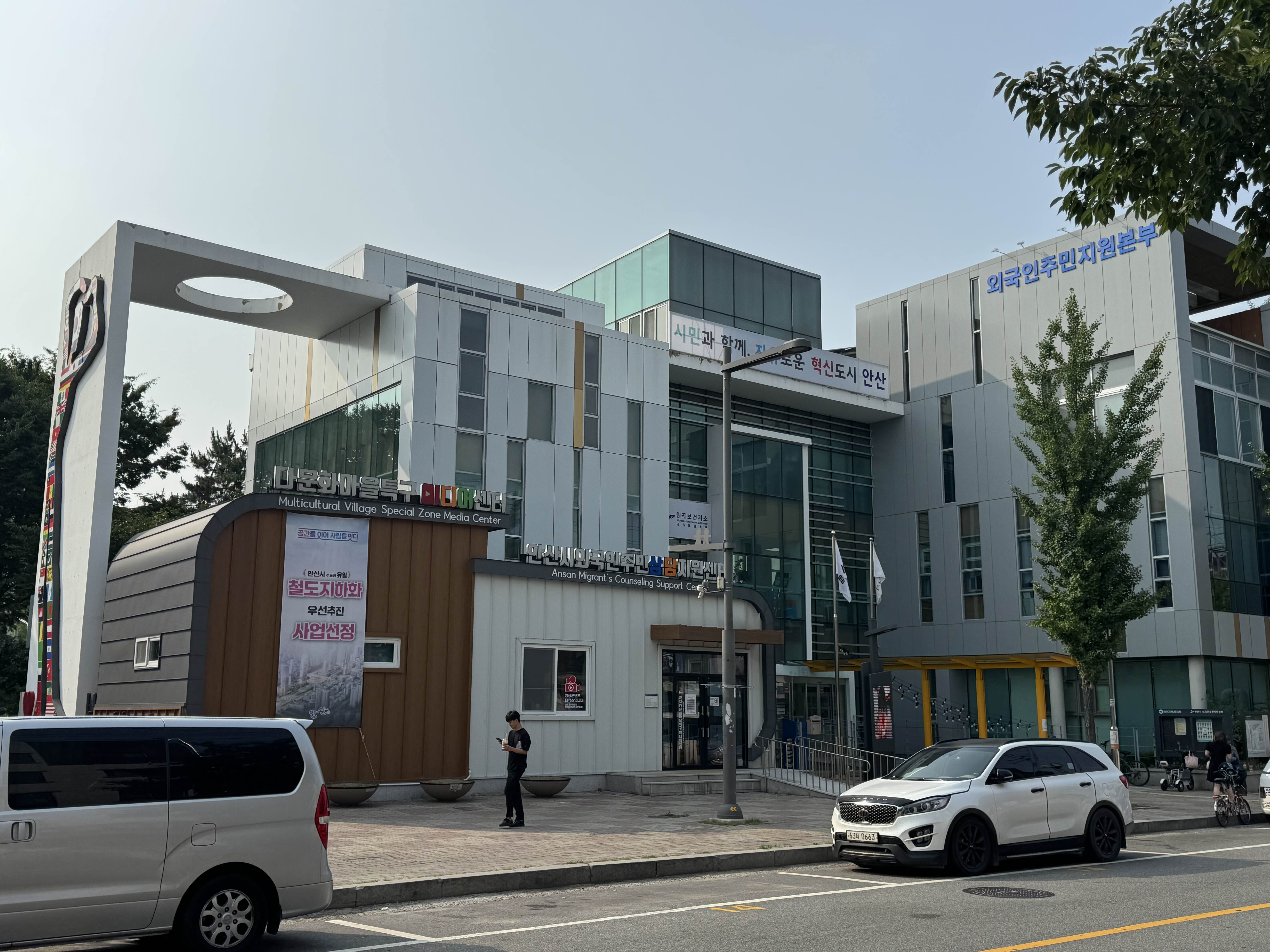
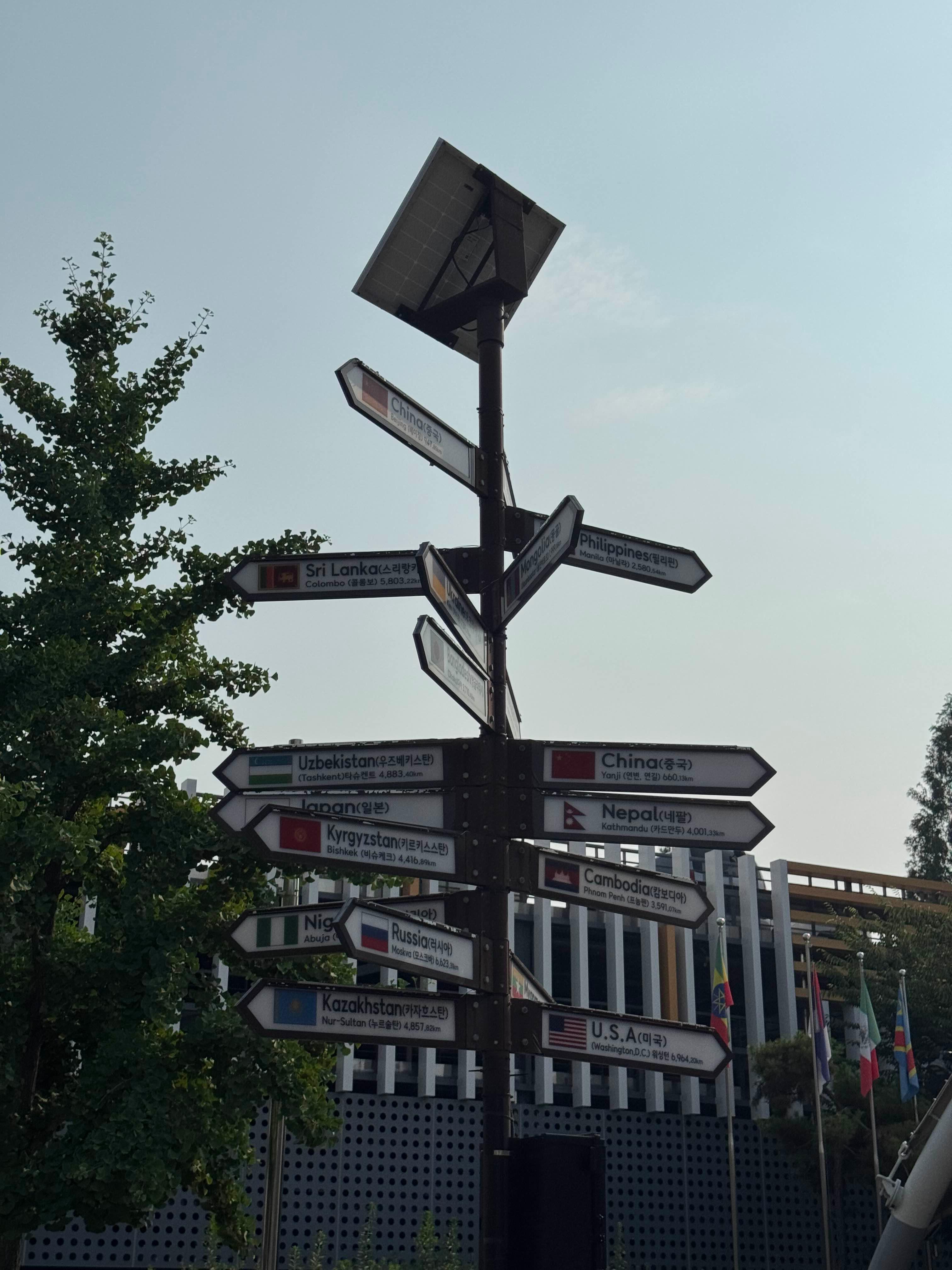
처음으로 방문했던 곳은 '다문화 특구'입니다. 안산 다문화하면 가장 먼저 떠오르는 곳이 바로 이곳 '다문화 특구'입니다.
다양한 국적의 외국인들이 모여사는 곳으로 다문화 센터와 다문화 도서관 등 다문화 시설이 있는 곳이기도 합니다.
우선 '다문화 센터'에 들러 외국인들의 생활 반경과 행정 시설 및 주요 방문지를 둘러보려 했습니다.
The first place we visited was the so-called “Multicultural Special Zone.” When people think of multiculturalism in Ansan, this area is usually the first that comes to mind.
It’s a neighborhood where people of various nationalities live together, and it’s also home to key multicultural facilities like the Multicultural Center and Multicultural Library.
We began our visit at the Multicultural Center, aiming to get a sense of the living environment of foreign residents, explore nearby administrative facilities, and observe the main places they frequently visit.

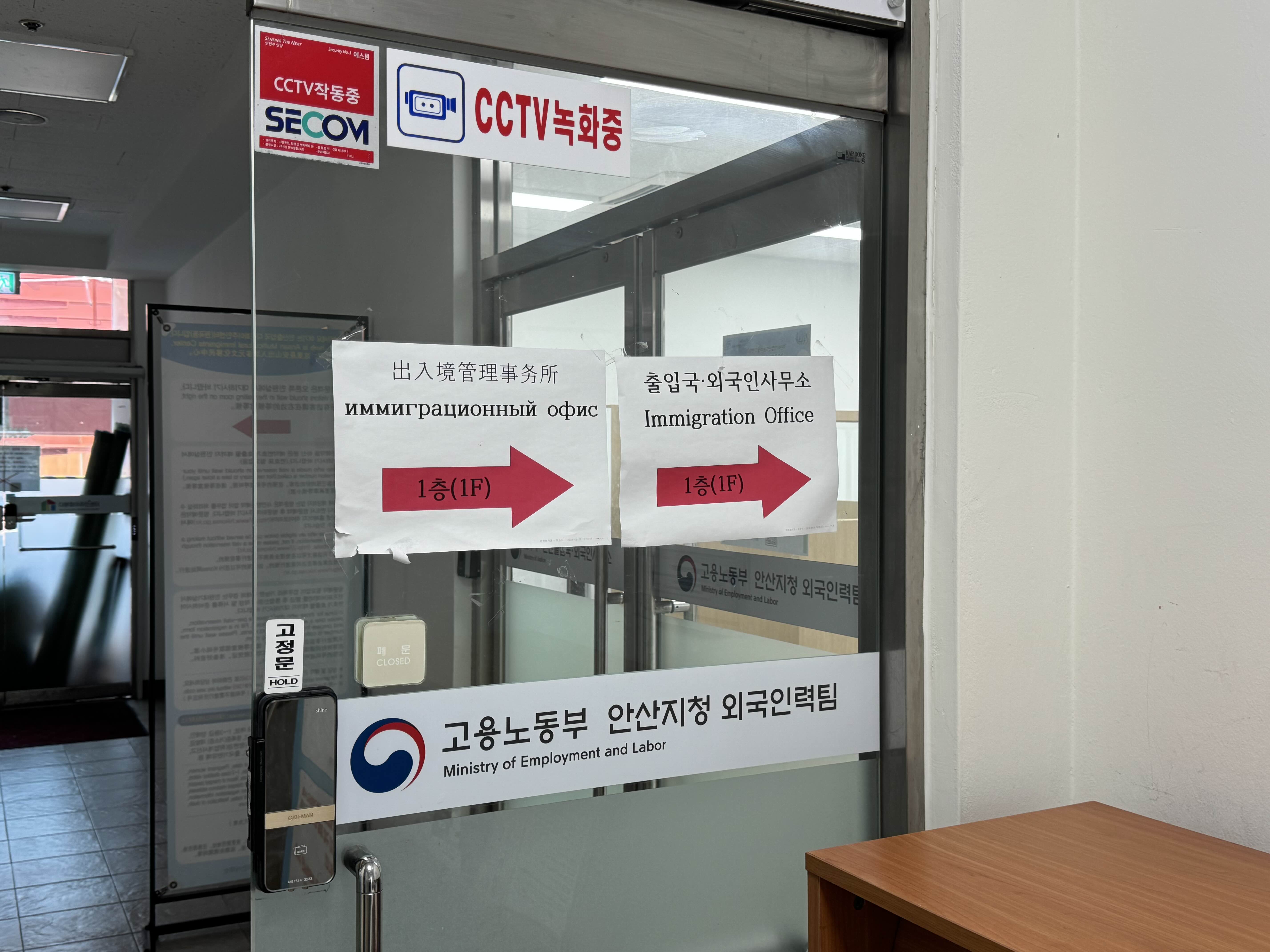
다문화 센터에서 외국인들을 위한 다양한 프로그램이 운영되고 있다는 점을 파악할 수 있었습니다.
행정 정보 혹은 보건 정보 등을 위한 팜플렛이나 신문도 마주할 수 있었습니다. 저희가 다문화 센터를 방문했을 때도 다양한 외국인분들이 그곳에서 행정처리를 위해 계속해서 방문하고 있었습니다.
At the Multicultural Center, we found that a wide range of programs were being offered for foreign residents.
There were also pamphlets and newspapers available that provided administrative and health-related information. While we were there, we saw many foreign visitors coming in and out, using the center for various administrative services.
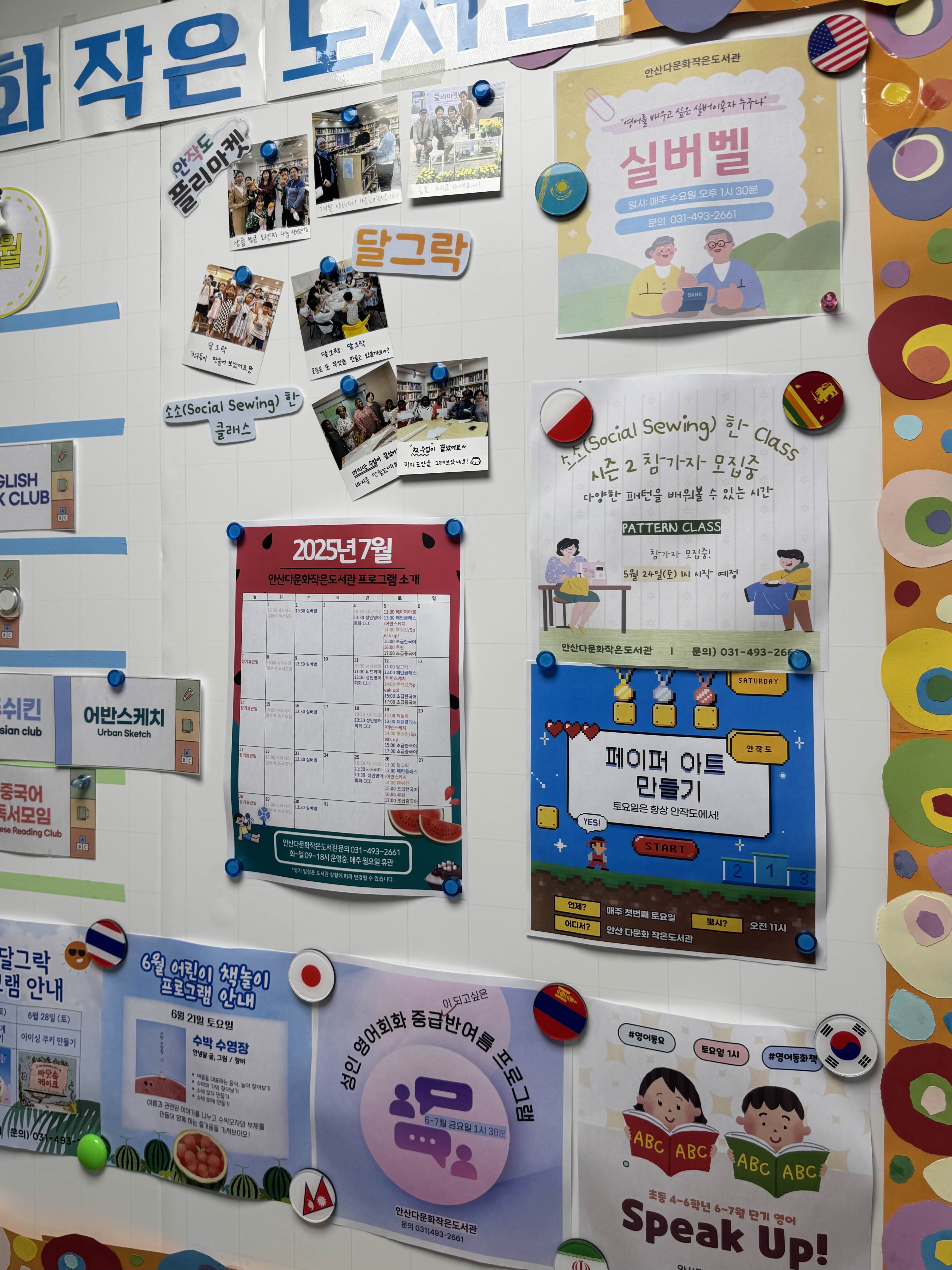
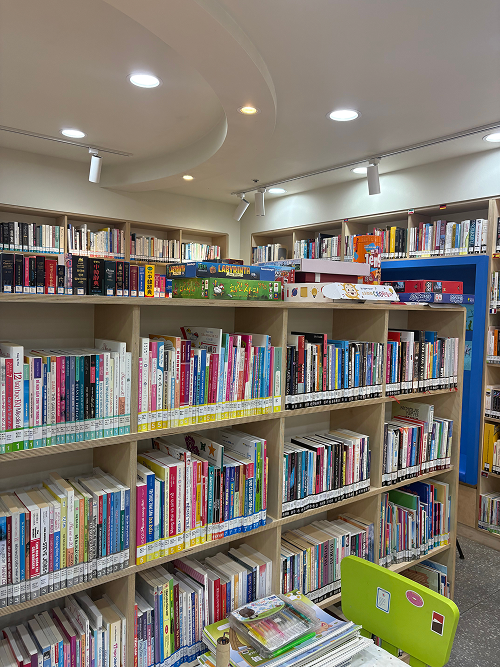
센터 내에는 다문화 도서관이 자리하고 있었습니다. 한국어 수업 교육실과 다문화 도서관이 나란히 있었습니다.
다문화 도서관 내에서는 이미 다양한 프로그램들이 운영되고 있다는 것을 마주했습니다. 사실 저희 조는 다문화 도서관을 오기 전까지 다문화에 대한 시설이나 프로그램이 열악할 것으로 예상했지만, 이미 도서관을 통해 자발적인 모임이 이루어지고 있었습니다.
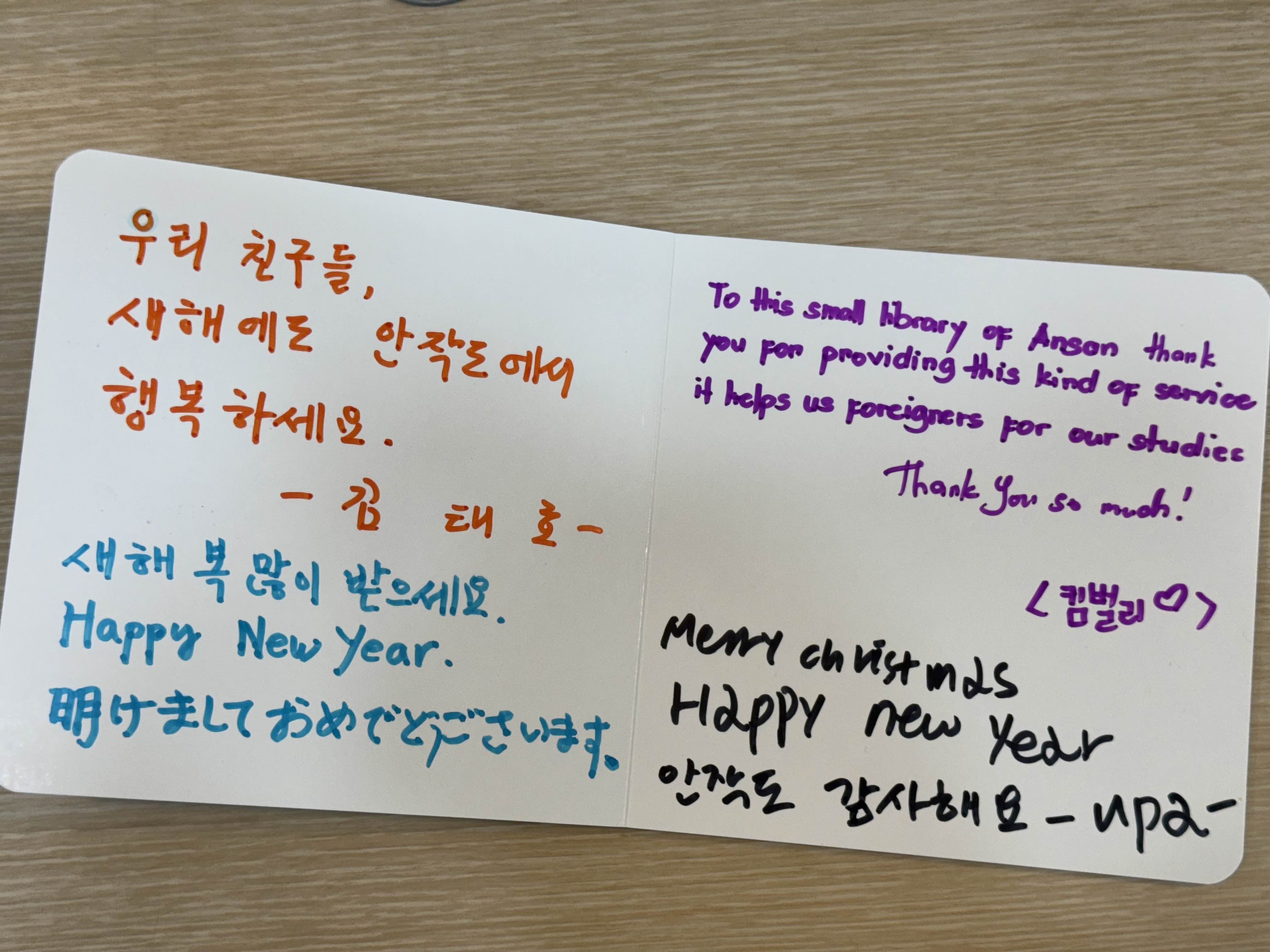
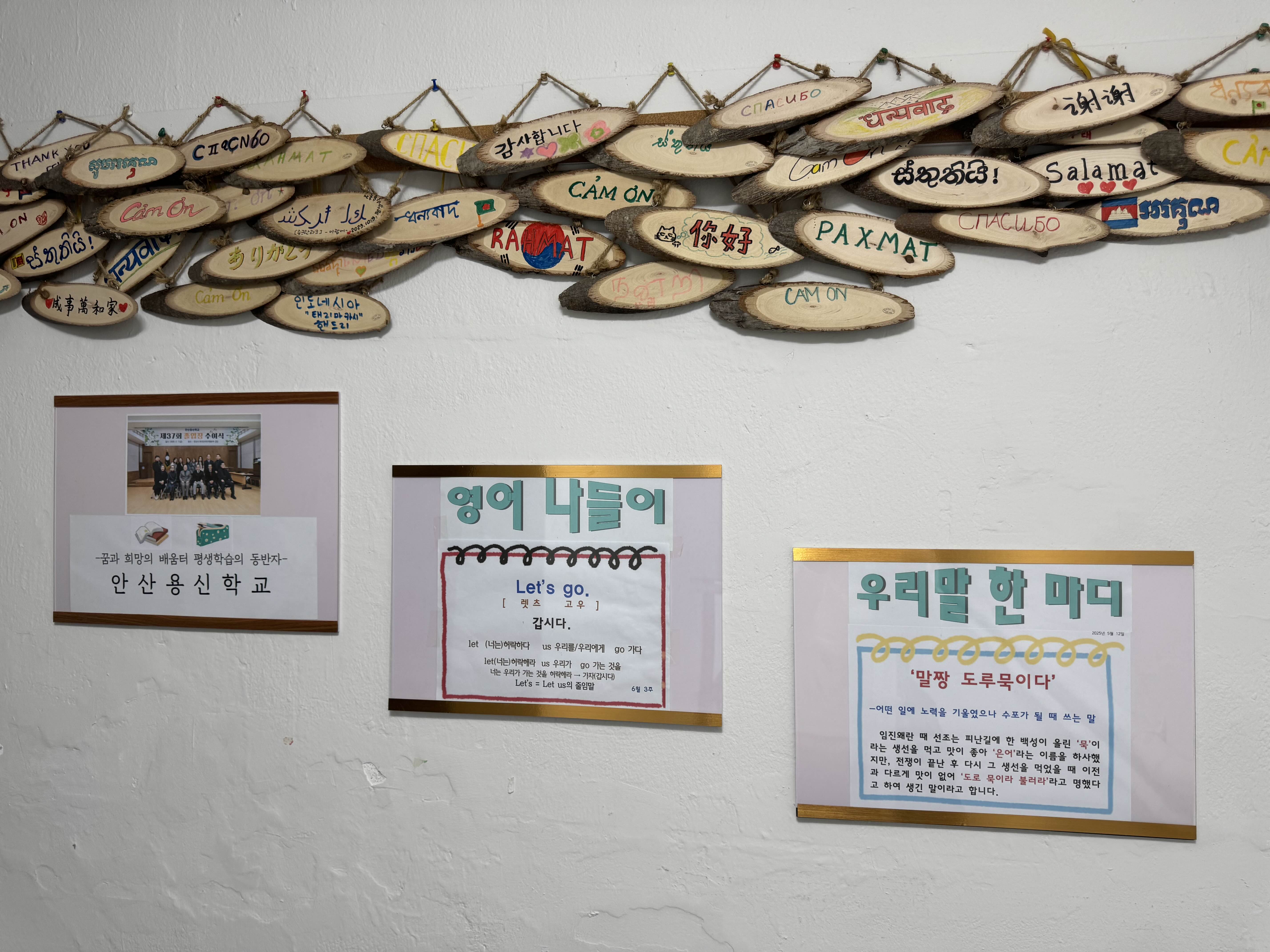
도서관 한켠에 있는 방명록을 발견하고 마음이 따뜻해지는 경험을 했습니다.
다국적 언어로 적혀있는 새해에 대한 인삿말 그리고 도서관을 사랑하고 아끼는 마음을 만났습니다.
Inside the center, we found a multicultural library situated right next to the Korean language classroom.
To our surprise, the library was already running a variety of well-organized programs. Honestly, before visiting, our team had expected the facilities or programs related to multicultural communities to be somewhat underdeveloped—but what we found instead was a space where spontaneous gatherings and community activities were already taking place.
We also came across a guestbook tucked in a corner of the library, and reading it was a heartwarming experience.
It was filled with New Year’s greetings in various languages and messages expressing affection and appreciation for the library.
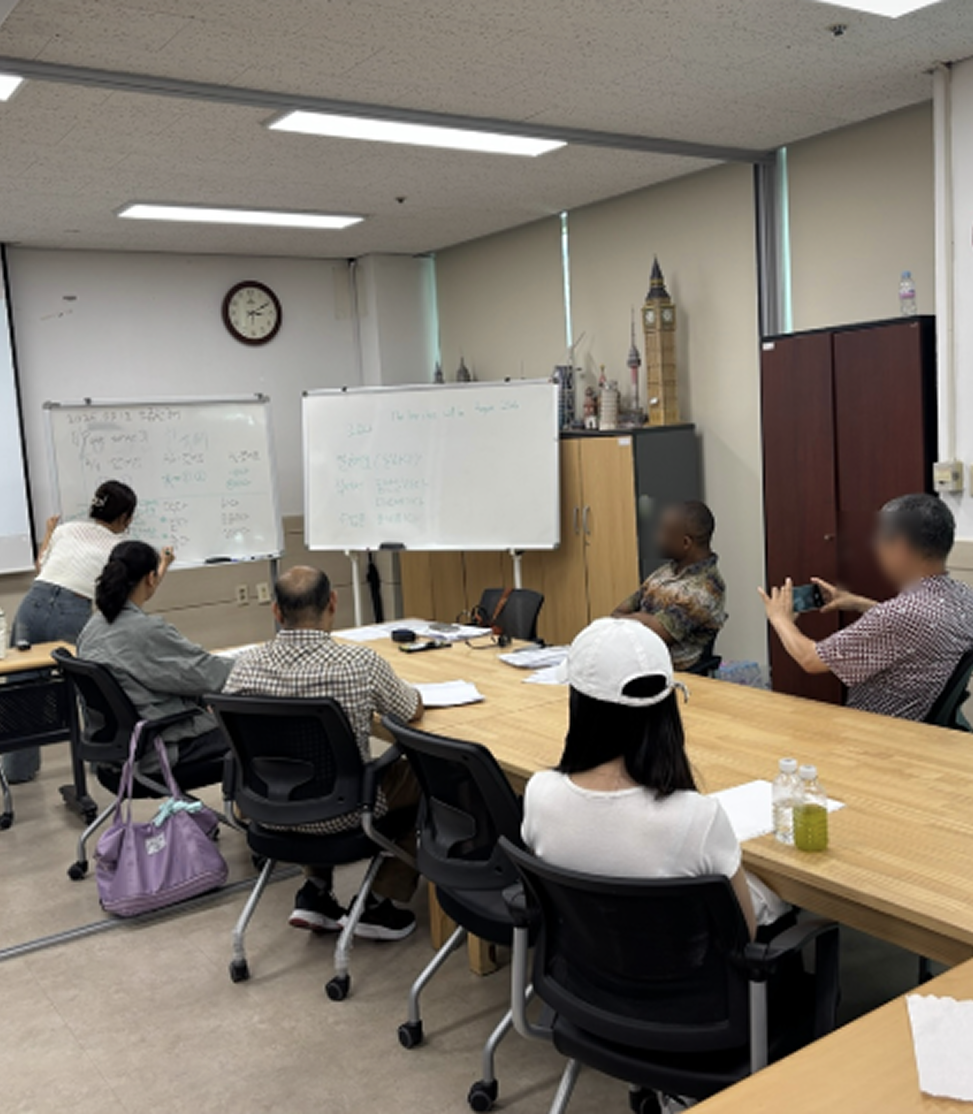
이후에는 도서관 관장님은 물론 한국어 강의 시간에 참석해서 사용자 인터뷰를 진행했습니다.
관장님이 바라보는 현재 안산 내 다문화와 도서관 운영 방식에 대한 이야기를 들어볼 수 있었고, 저희 조가 앞으로 만들어나갈 방향성에 대한 길을 발견할 수 있었습니다. 또한, 무려 같은 프로그램에 참여한 10팀 중 9팀이 도서관 관장님께 연락을 했고 그 중에서도 저희 조를 선별해서 인터뷰에 응했다는 말씀을 듣고 감사한 마음과 앞으로의 의지를 다질 수 있었습니다.
한국어 강의 시간에는 교육을 담당하는 선생님과 학생들을 만날 수 있었습니다.
선생님께서는 한국어 교육에서 중요한 점은 외국인 학생들로 하여금 흥미를 잃지 않게 하고 지속적인 참여가 가능하도록 만드는 것이라는 말씀을 건내주셨습니다.
참여한 외국인 학생분들은 모두 안산에 거주하며 한국어 공부에 대한 의지를 가지고 있었습니다. 한국어를 배워서 더 많은 사람들과 소통하려는 마음을 보였습니다.
Afterwards, we conducted user interviews, including with the library director, and by attending a Korean language class.
We were able to hear the director’s perspective on the current multicultural community in Ansan and how the library is managed. This gave us valuable insights and helped us find a direction for the project our team is developing. The director also mentioned that out of the 10 teams participating in the same program, 9 had reached out to her, but she specifically chose our team for the interview. We felt grateful and motivated to continue our efforts.
During the Korean class, we met both the teacher and the students.
The teacher emphasized that the key to Korean language education is to keep foreign students interested and engaged so that they continue participating actively.
All the students we met were residents of Ansan and showed strong determination to learn Korean. They expressed a genuine desire to communicate with more people through their language skills.
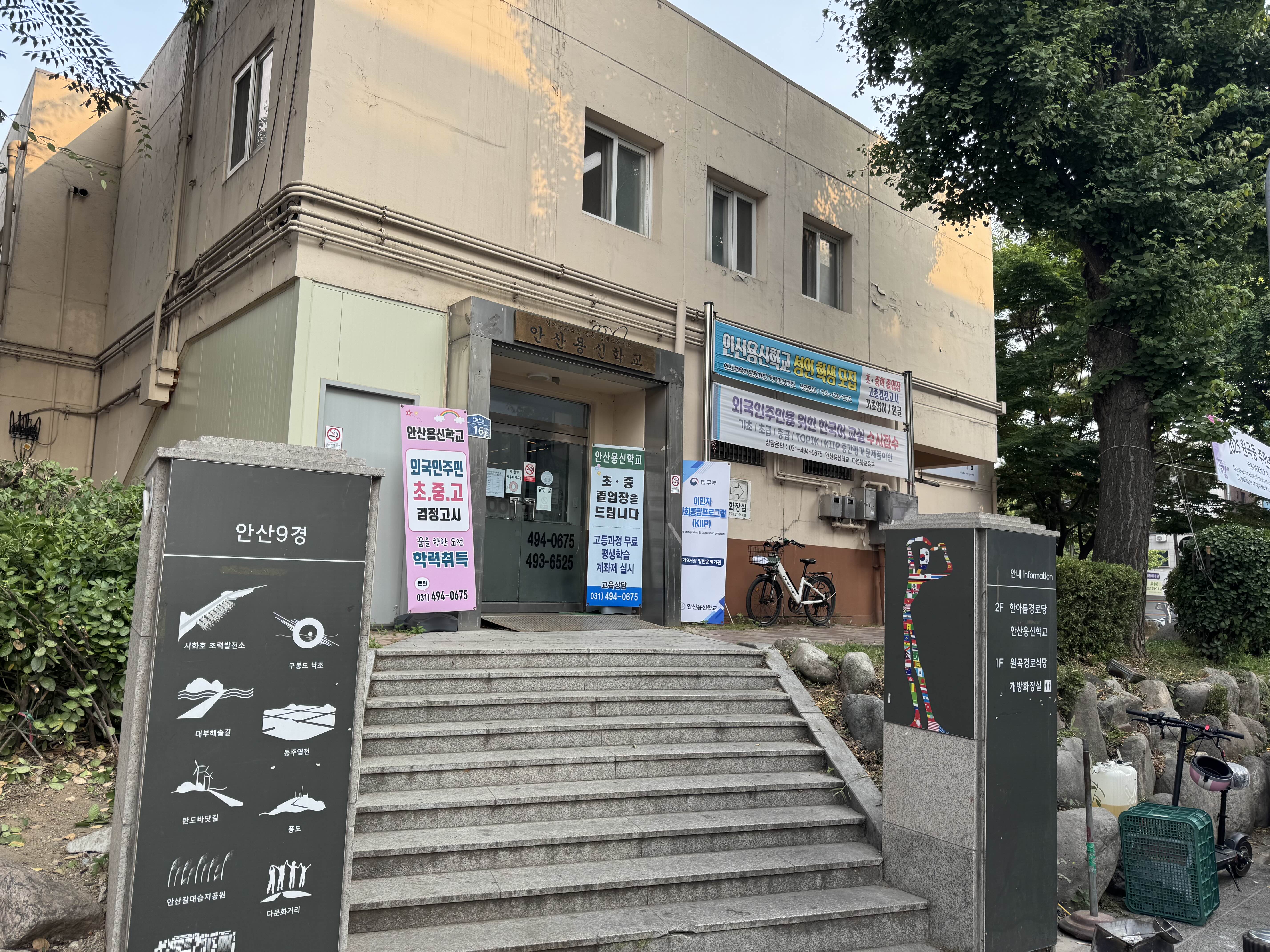
다문화 센터를 나와 저희 조는 다문화 특구와 사용자들의 생활 반경을 더 탐색하기 위해 다문화 거리로 나섰습니다.
다문화 도서관외에도 특구 내에는 한국어 문화와 언어를 교육하는 다양한 센터를 만나볼 수 있었습니다.
이를 통해 한국에 적응하려는 그들의 노력은 물론, 그들을 돕기 위한 국내의 여러 행정기관과 활동가들의 노력도 느끼는 순간이었습니다.
After leaving the multicultural center, our team headed out to explore the multicultural district and the daily living areas of the users in more depth.
Besides the multicultural library, we found various centers within the district that offer Korean language and cultural education.
Through this, we could sense not only the efforts of the residents to adapt to life in Korea but also the dedication of numerous local government agencies and activists working to support them.
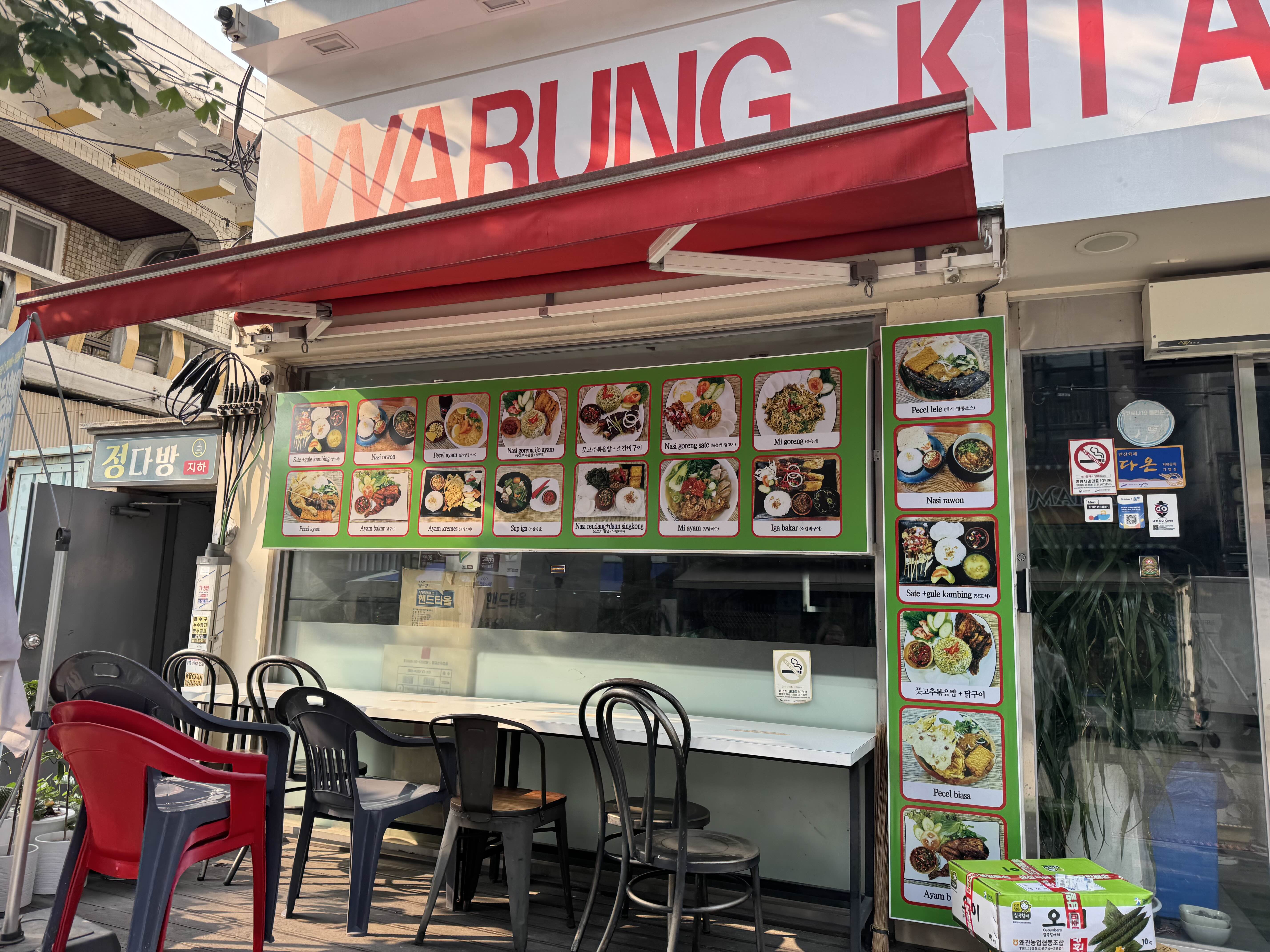
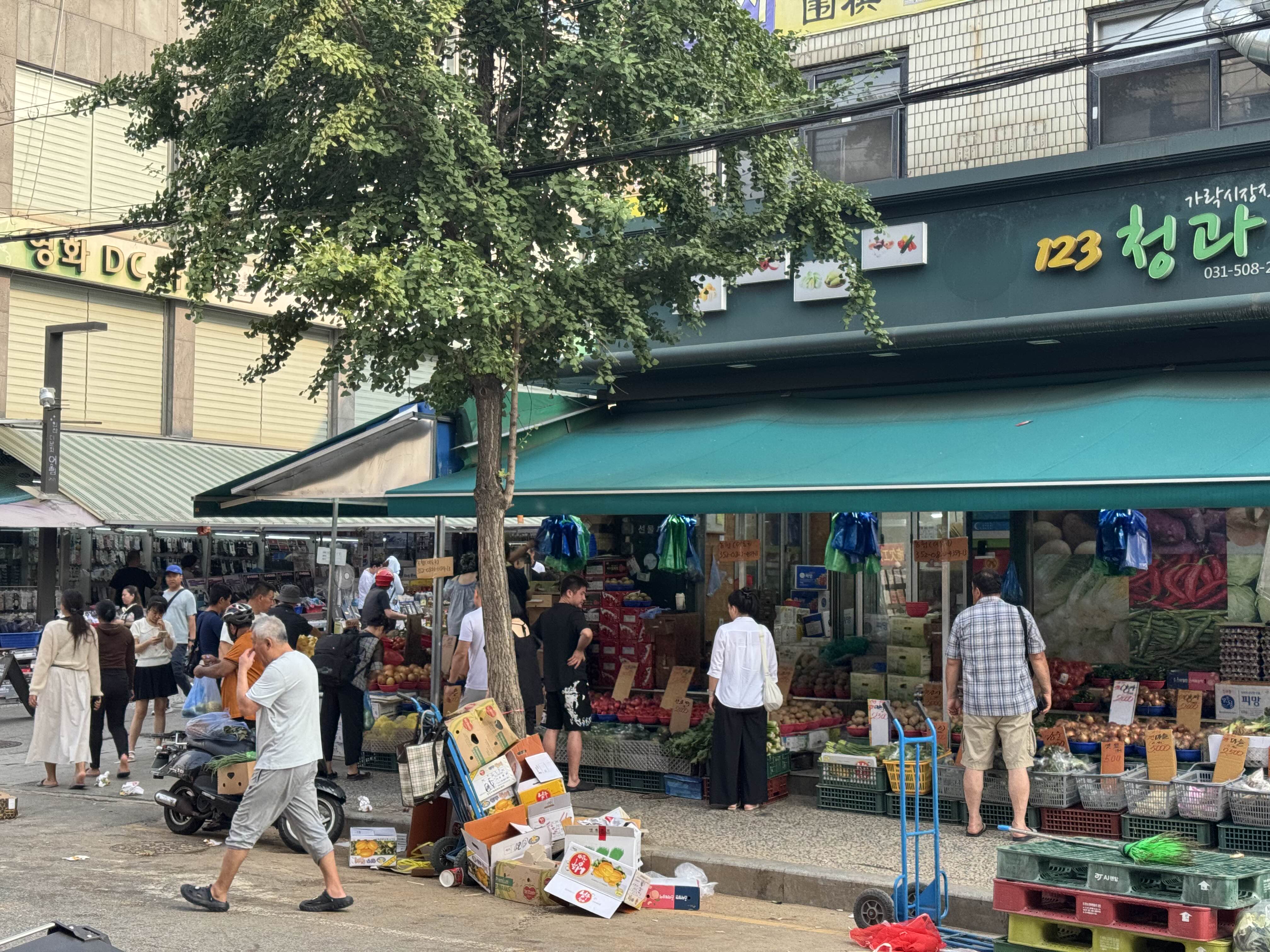
다문화 특구에 장점 중에 하나는 바로 세계 여러 나라의 음식을 한 공간에서 만나볼 수 있다는 점인 것 같습니다.
중국, 인도, 우즈베키스탄, 몽골외에도 정말 많은 나라의 음식과 인종을 찾아볼 수 있었습니다.
제가 이곳에 머물며 들었던 생각은 한국인인 제가 오히려 이곳에서는 이방인처럼 느껴질 정도로 이국적이고 다양한 문화가 혼합된 공간이었습니다.
거리를 지나가는 행인분들이나 시장 상인 분들과도 인터뷰를 하고 싶었지만 거리를 방황하는 저희들이 이상한 사람은 아닌가 싶은 경계만 받게 되었습니다. 길거리 인터뷰가 얼마나 어려운지에 대해 다시 한번 상기할 수 있었던 경험입니다.
날씨는 덥고, 거리에 사람들은 호의적이지 않고... 어쩌면 이때가 첫번째 고비였던 것 같습니다.
그러나 사실 이정도 프로젝트가 진행되면서 고비는 고비도 아니라는 것을 알게 되었습니다...
One of the strengths of the multicultural district is that you can experience foods from many different countries all in one place. We found cuisines and cultures from China, India, Uzbekistan, Mongolia, and many other countries.
While I was there, I felt that as a Korean, I was almost the foreigner in this space — a truly exotic place where diverse cultures blend together.
Although I wanted to interview pedestrians and market vendors, our wandering around seemed to raise suspicion, and people were hesitant to engage with us. It reminded me how challenging it can be to conduct street interviews.
The weather was hot, and people on the streets weren’t very welcoming... Perhaps this was the first real challenge we faced.
However, as the project went on, I realized this kind of challenge was just the beginning and not the biggest hurdle at all...
1일차 The First Day

드디어 첫 부트캠프 시작!
카카오 임팩트 챌린지는 디자인 씽킹 프로세스를 기반으로 진행됐습니다.
디자인 씽킹은 스탠포드 디자인 스쿨에서 만들어진 방법론으로 공감하기-문제 정의하기-아이디어 도출하기-프로토타입/시나리오 만들기-시험하기, 총 5가지 단계를 걸쳐 실행됩니다.
미스크에서 나온 멘토 분들이 돌아가며 단계별 상세하고 유익한 설명을 전달해주셨습니다.
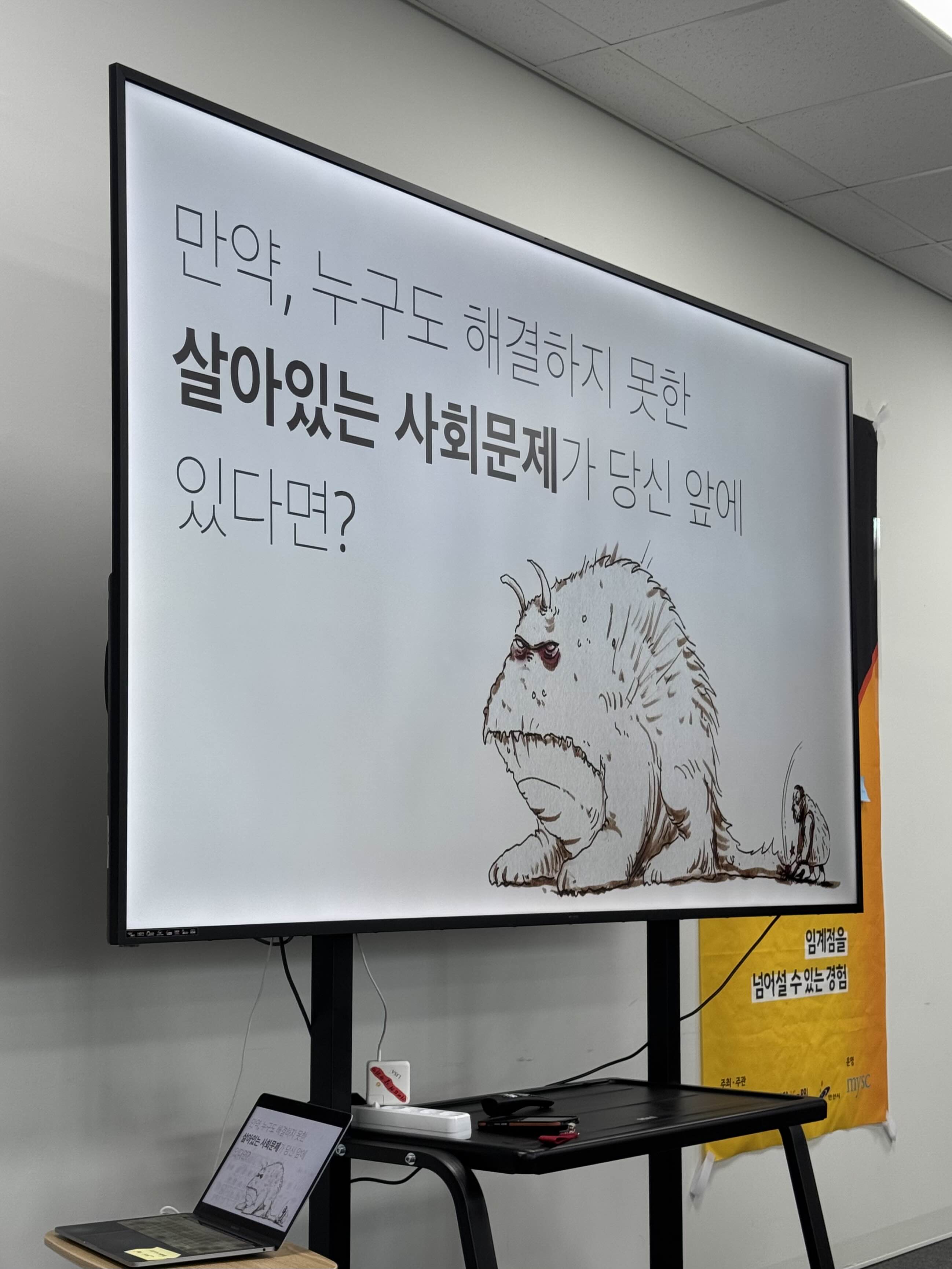
우리가 당면한 사회문제를 현장과 사용자 중심 접근법으로 해결해야하는 이유는 이것이 살아있기 때문입니다. 사회문제는 어려운 문제라기 보다는 복잡한 문제입니다. 여러 이해관계와 원인이 얽혀있어 한가지 방법이나 문제로는 정의되기 쉽지 않습니다.
그리고 저도 현장 리서치와 사용자 리서치를 발로 뛰며 경험해본 결과, 우리가 예상하는 문제와 그들이 실제로 가지고 있는 문제는 다른 경우도 있다는 점을 다시 한번 상기할 수 있었습니다.
또한, 이러한 사회문제를 해결하기 위해서는 '창조적 자신감'이 필요합니다.
효과적인 솔루션은 개발자/디자이너의 자신감에서 나옵니다.
항상 느끼는 것이지만, 적당한 양의 자신감은 여러모로 긍정적인 역할을 하는 듯합니다.
마치 마법의 가루 같아요. 99%의 노력 위의 1% 자신감을 뿌려주면 100%가 아니라 마치 120%의 맛을 내는 것이죠. 미원이나 다시다같달까...
Finally, the first boot camp began!
The Kakao Impact Challenge was based on the design thinking process.
Design thinking is a methodology developed at Stanford Design School, consisting of five stages: empathize, define the problem, ideate, prototype/scenario creation, and testing.
Mentors from MYSC took turns giving detailed and insightful explanations for each stage.
The reason we need to solve social problems with a field-and user-centered approach is that these problems are alive. Social issues are not just difficult—they are complex. Many stakeholders and causes are intertwined, so it’s hard to define the problem or solution by focusing on just one aspect.
From my own experience doing field and user research on the ground, I realized once again that the problems we expect are often different from the actual problems people face.
Also, solving these social problems requires ‘creative confidence.’
Effective solutions come from the confidence of developers and designers.
I always feel that just the right amount of confidence plays a very positive role in a project or life goal.
It’s like a magical powder—sprinkling 1% confidence on top of 99% effort doesn’t just make 100%, but almost 120% in terms of impact.
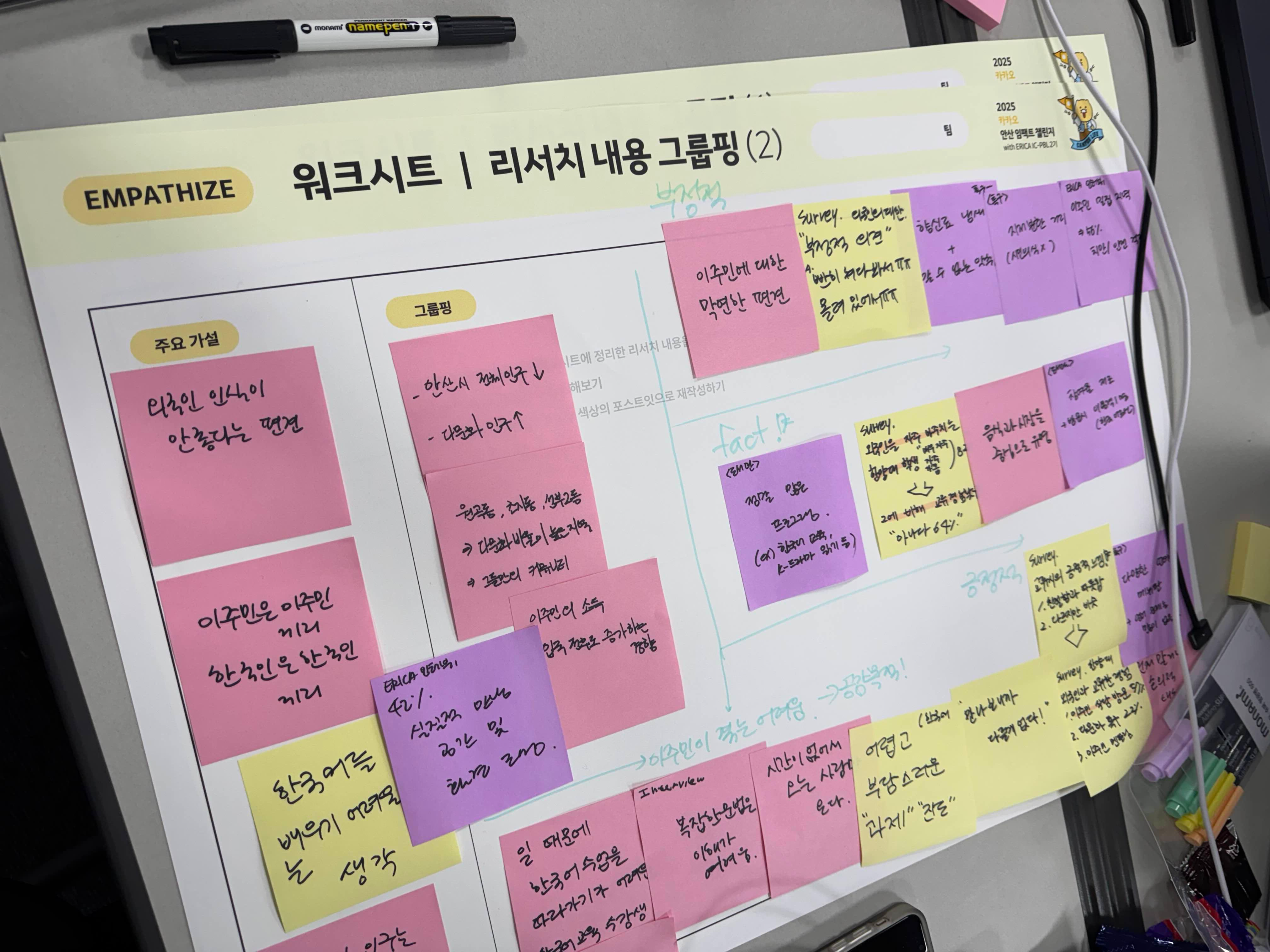
첫 워크시트는 이때까지 리서치한 내용을 그룹핑하는 것입니다.
주요 가설을 작성하고 이에 대한 내용을 리서치한 정보를 기반으로 분류합니다. 데스크 리서치, 현장 리서치, 사용자 리서치 등 조사 과정에서 발견한 정보들에 대해 적고 그룹핑을 통해 정보의 구조를 다시 한 번 잡는 과정을 거쳤습니다.
The first worksheet involved grouping the research we had done so far.
We wrote down the main hypotheses and categorized the information based on the research data. We recorded findings from desk research, field research, and user research, then went through the process of organizing and structuring the information through grouping.

제가 챌린지에 참여하고 부트캠프를 진행하면서 느낀 점은 '다지인 씽킹 과정에서 퍼소나 설정'이 굉장히 중요하다는 점입니다.
사실 모든 단계가 유기적으로 연결되어있지만, 사용자를 중심으로 하는 방법론을 기준으로 하다보니 사용자가 원하는 것, 사용자가 불편해하는 것이 무엇인지 정확하게 파악하는 것이 우선 되어야 한다는 것을 다시금 깨달았습니다.
저희 조는 다문화 특구에서의 리서치를 바탕으로 한국에 입국한지 3년 된 외국인 노동자를 퍼소나로 설정했습니다. 그리고 해당 인물의 가장 특징적인 일상에 대해 여정맵을 설계하고 사건을 부여하면서 사용자가 느끼는 감정을 따라가 보는 것입니다. (사실 이때까지만 해도 잘 하고 있다고 생각했지만 저희 팀은 이후에 대대적인 수정과 변화를 맞이하게 됩니다...)
What I realized while participating in the challenge and going through the bootcamp was how important it is to create a persona in the design thinking process.
Although all the stages are organically connected, since the methodology centers around the user, it became clear once again that accurately understanding what users want and what inconveniences they face must come first.
Our team based our research in the multicultural district and set a persona as a foreign worker who has been in Korea for three years. Then, we designed a journey map focused on the most characteristic aspects of this person’s daily life, assigning key events to follow the emotions the user experiences.
그렇게 리서치를 구조화하고, 이를 바탕으로 우리가 솔루션을 제시해줄 '외국인 노동자'라는 퍼소나도 설정하고, 그의 일과와 감정을 들여다보는 사용자 여정맵도 설계했습니다.
2일차는 본격적으로 솔루션을 도출하는 날이기 때문에 저희 조는 일찍 들어가서 취침을 하기로 결정했습니다. 💤🛌 (어쩌면 이때 일찍 집에 들어간 일이 나중에 더 큰 일을 불러온 것일까요? 모르겠습니다... 하하)
We structured the research this way and, based on it, created a persona—the “foreign worker” whom we aimed to provide solutions for. We also designed a user journey map that looked into their daily routine and emotions.
Since the second day was dedicated to actively developing solutions, our team decided to head in early and get some rest. 💤🛌
2일차 The Second Day
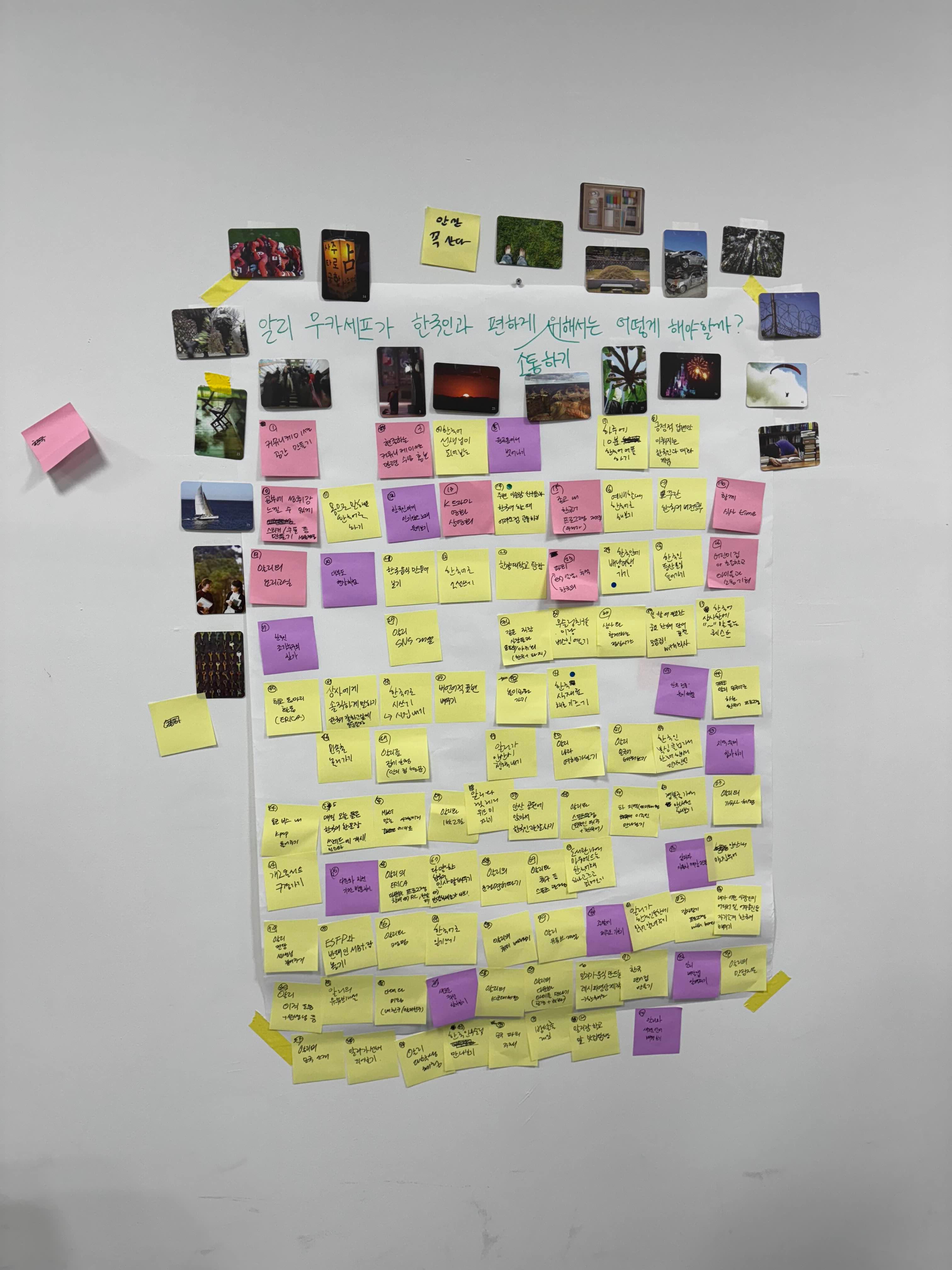
2일차부터 본격적인 아이디어를 발견하는 시간을 가졌습니다. 무려 아이디어 100개 내기!
모든 아이디어는 존중받고 가치있고 받아들여져야만 합니다. 현실가능성은 나중으로 미루고 그저 내고 내고 또 내는 시간!
정말 재미있기도 했지만 생각보다 어려웠습니다. 그럼에도 100개 아이디어를 결국은 다채웠다는 만족감도 들었습니다.
From Day 2, we officially dove into the ideation phase, coming up with 100 ideas!
The rule was simple: every idea is valuable, respected, and worth considering. We set aside feasibility for later; the goal for now was simply to keep generating ideas — one after another, without judgment.
It was honestly a lot of fun, but also more challenging than I expected. Still, there was a real sense of satisfaction when we finally reached all 100 ideas!
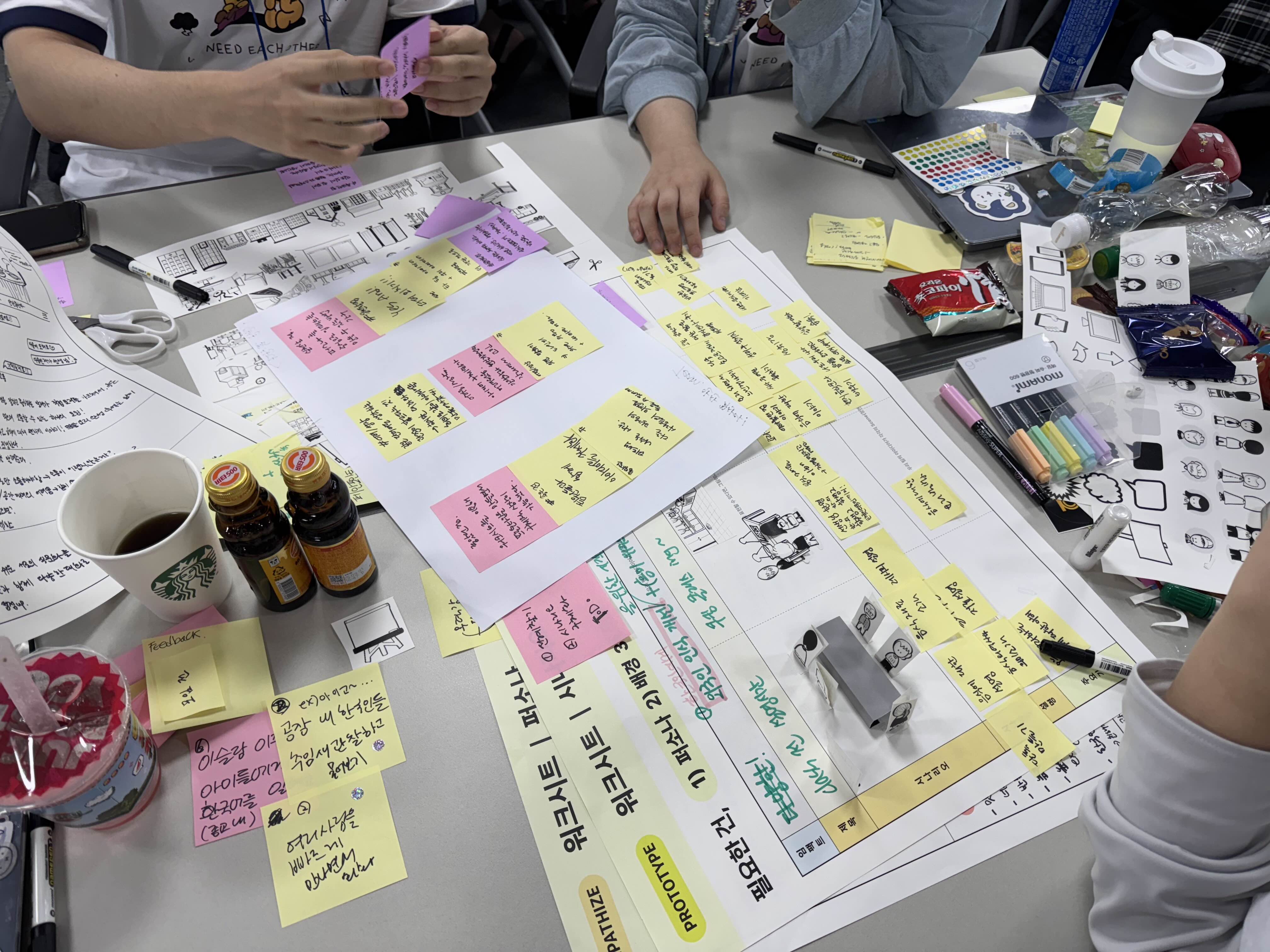
우리가 낸 100가지 아이디어들 중에서 좋아보이는 것들을 다시 추려서 개인적으로 솔루션 방안을 만들어보고 그중에서 구체화시킬 한가지 방안을 결정했습니다.
저희 팀은 외국인과 한국인들을 연결시키는 '쿠킹클래스'를 열기로 했습니다.
한국말에 대한 흥미를 잃지 않고 한국인들과 실생활에서 소통하는 기회를 늘리고 싶어하는 외국인들에게도,
다양한 음식을 사랑하고 그들의 문화를 직접 경험해보고 싶은 한국들에게도 도움이 되는 솔루션이라고 생각했습니다.
구체화된 솔루션을 바탕으로 그것이 실제로 이루어졌을 때 발견하게 되는 주요 기능이나 베네핏에 대해 생각하게 되었습니다.
그렇게 구체화를 해나가던 중에...
💣
고비가 찾아옵니다...
저희가 지정한 솔루션과 퍼소나가 완벽하게 일치하지 않는 것 같다는 생각이 팀 내에서 계속 의문으로 제기되었기 때문입니다.
한국인과 외국인 모두를 만족시키려는 욕심 때문이었을까요? 이 솔루션을 통해 진정으로 혜택을 받는자가 누구인지에 대해 깊게 생각해보게 되었습니다. 그리고 멘토님의 코칭을 거쳐...
결국 저희는 퍼소나를 다시 작성하고 도출한 아이디어와 솔루션을 대대적으로 재검토해보자는 결론에 도달하게 됩니다.
After generating 100 ideas, we each selected the ones we liked and developed individual solution concepts. From there, we chose one to flesh out as a team.
Our team decided to create a cooking class that connects foreigners and Koreans.
We believed this would benefit foreigners who want to stay engaged with learning Korean and have more real-life conversations with locals, as well as Koreans who love food and are curious about other cultures.
As we developed the idea further, we began to think about the key features and benefits that would emerge if this solution were implemented in real life.
And then…
💣
A turning point hit us.
We started to feel that our chosen solution didn’t quite align with the persona we had defined earlier.
Were we trying too hard to please both Koreans and foreigners? That question made us reflect more deeply: Who exactly is this solution serving? Who’s benefiting the most?
With the help of our mentor’s coaching, we eventually decided to revisit our persona and reassess our idea and solution from the ground up.

그래도 금강산도 식후경이라고.
일단 밥부터 먹고, 배에 음식 좀 채우고, 그리고 포도당을 잔뜩 뇌에 넣은 다음에 시작해야 뭐라도 나오지 않겠습니까! 🍔
First, let's fill our bellies, load our brains with glucose, and then we’ll be ready to make some magic happen! 🍔

그리고 긴긴밤이 시작되었습니다... 🌙
어디서부터 다시 시작해야할지, 무엇이 잘못된건지 하나하나 뜯어보기 시작했습니다. 퍼소나가 제대로 완성되지 못했다는 생각에 그리고 ppt 자료만 완성하면 된다고 생각한 순간에 모든 것이 다 물거품이 된다는 생각에 정말 눈물이 나올 뻔 했지만 모두 정신을 부여잡고 날을 새서라도 완성도 높은 결과물을 만들어내고 싶었습니다.
- 리서치 그룹핑 - 우리가 놓쳤던 리서치 정보가 무엇인지 다시 살펴보는 시간을 가졌습니다.
- 퍼소나 설정 - 퍼소나를 우리가 솔루션 만들어 내기 쉽게 설정한 것 같다는 생각이 들어 우리가 리서치에서 놓쳤던 부분을 찾아 퍼소나를 다시 작성했습니다. 그렇게 한국인 대학생을 대상으로 설문조사를 한 리서치 자료를 바탕으로 '외국인 노동자'와 함께 '안산 거주 한국인 대학생' 퍼소나를 하나 더 만들게 되었습니다.
- 사용자 여정맵 - 안산 대학생이 가장 집중적으로 경험하는 일, 그리고 주변에서 만나볼 수 있는 외국인과의 접점을 중심으로 여정맵을 작성하고 감정의 고저를 파악해 페인포인트와 니즈를 분석했습니다.
- 시나리오/프로토타입 - 추가된 한국인 대학생 퍼소나에 맞춰 '쿠킹클래스'라는 시나리오를 수정하게 되었습니다.
어쩌면 돌아간 듯 보이는 과정에서 결국 저는 저희 팀만의 인사이트와 아이디어가 담긴 결과물을 만들어 낼 수 있었습니다.
다시 되돌아가는 순간에서 저와 저희 팀이 놓치지 않으려고 했던 포인트는 바로 한국인과 외국인 모두가 만족할 수 있는 솔루션을 제시하는 것이었습니다. 물론 그렇게 하기 위해서 다양한 관점에서의 리서치 자료 분석과 퍼소나 분석이 이루어졌지만, 그렇기 때문에 저는 저희가 하고자 했던 방향성과 노력을 믿었습니다.
And so… the long, long night began. 🌙
We started pulling everything apart—wondering where we went wrong and how to start over. The realization that our persona wasn’t fully developed… the sinking feeling that finishing the PPT alone wouldn’t be enough… honestly, I almost cried. But instead, we held it together. We wanted to create something meaningful—even if it meant staying up all night.
- Research regrouping – We reviewed our past research to see what we had missed.
- Persona reset – We realized that we might have shaped the persona to fit the solution rather than the other way around. So we revisited our survey data, especially the results from Korean university students in Ansan, and added a second persona: a local Korean student, alongside the original foreign worker.
- Journey mapping – We mapped out a typical day for this Korean student, focusing on moments of interaction with foreigners in their surroundings, then traced the emotional highs and lows to identify pain points and needs.
- Scenario/Prototype revision – Based on the updated persona, we reshaped our “cooking class” solution to better reflect real interactions and mutual benefits.
Though it felt like we were backtracking, in truth, we were refining.
We ended up creating a solution rooted in genuine insights—something unique to our team.
What we refused to lose sight of throughout it all was this: We wanted a solution that would bring value to both Koreans and foreigners.
That’s why we trusted in our direction and the hard work we’d put into making it meaningful.
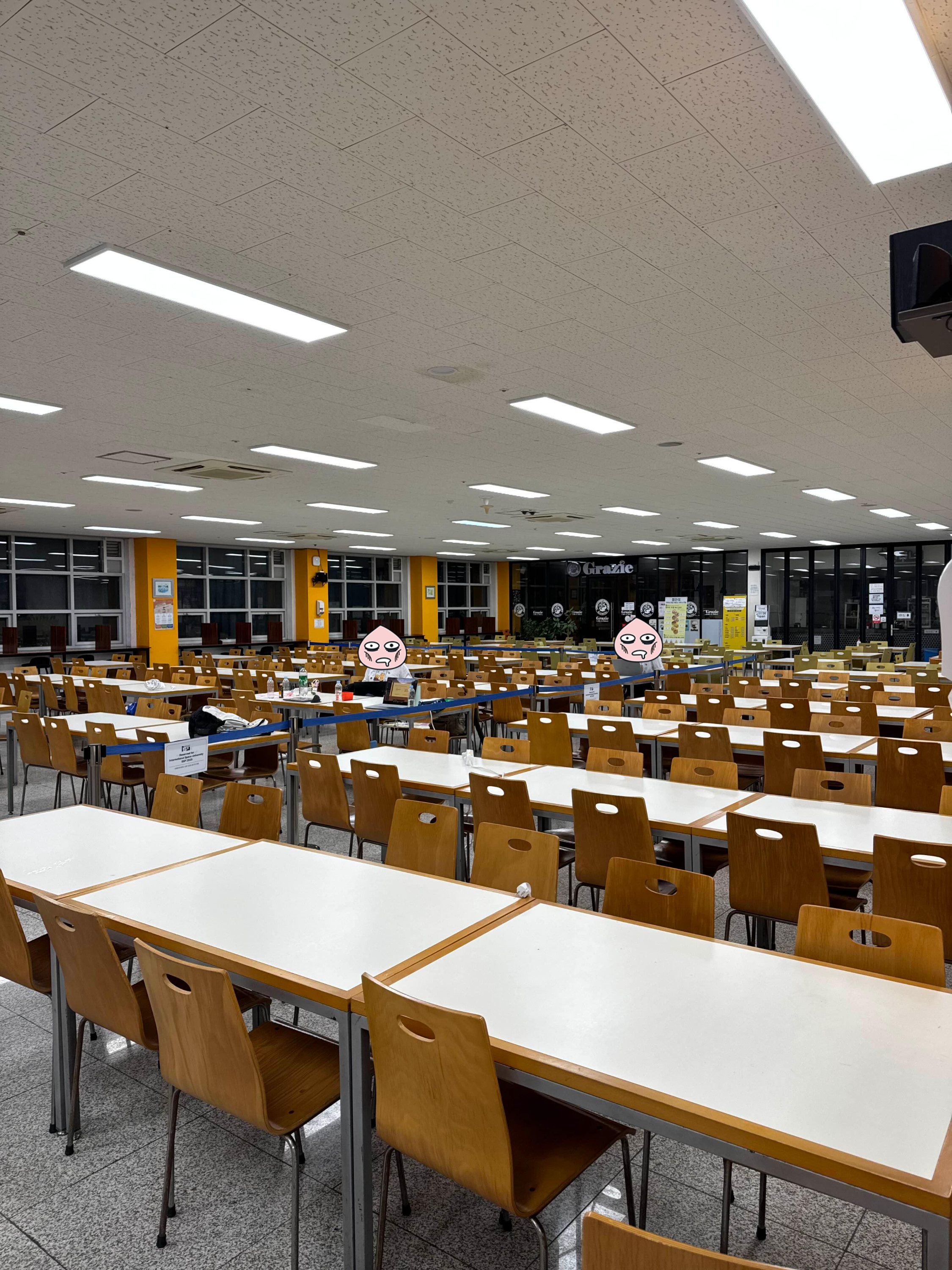
모두가 떠나고 남은 우리팀...
사실 저희 팀은 저희가 가장 늦게까지 한 줄 알았는데 다른 조들도 다 다른 곳에서 새벽을 지새우며 작업을 했다고 합니다.
이런 대학생들의 열정과 끈기가 이번 챌린지를 더욱 빛나게 만들었다는 생각이 들었습니다.
The last team standing… or so we thought.
As everyone started heading out, we looked around thinking we were the only ones left working into the night. But later, we found out that the other teams had also stayed up late, working from different spaces until dawn.
That realization made me think—It was the passion and persistence of all these university students that truly made this challenge shine.
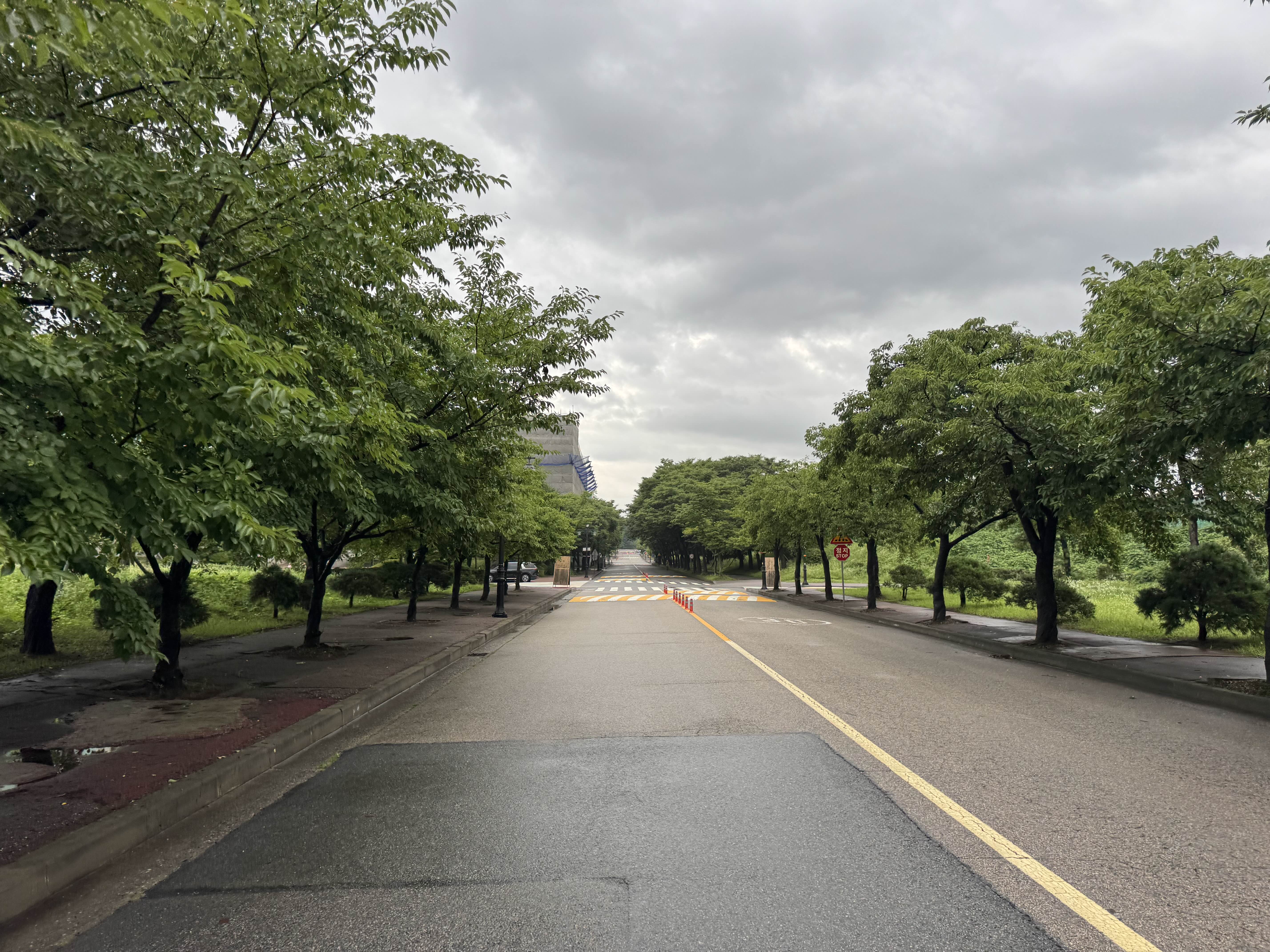

밤샘 작업을 하고 집으로 돌아가는 길입니다.
분명 해가 있을때 집밖에 나왔는데...
마지막 날은 발표가 기다리고 있기 때문에 집에 들어가서 씻고 다시 바삐 나갈 준비를 해야합니다.
그래도 가는 길에 고양이가 식빵을 굽고 있는 모습을 봐서 약간 행복했어요. 🐈🐈⬛
I clearly remember leaving the house when the sun was still up… and now, I’m returning under a completely different sky.
Since the final presentations are waiting for us later today, there’s no time to rest.
Just a quick shower, reset, and off I go again.
On my way home, I spotted a cat loafing on the sidewalk, and it made me feel a little happier. 🐈🐈⬛
3일차 The Final Day
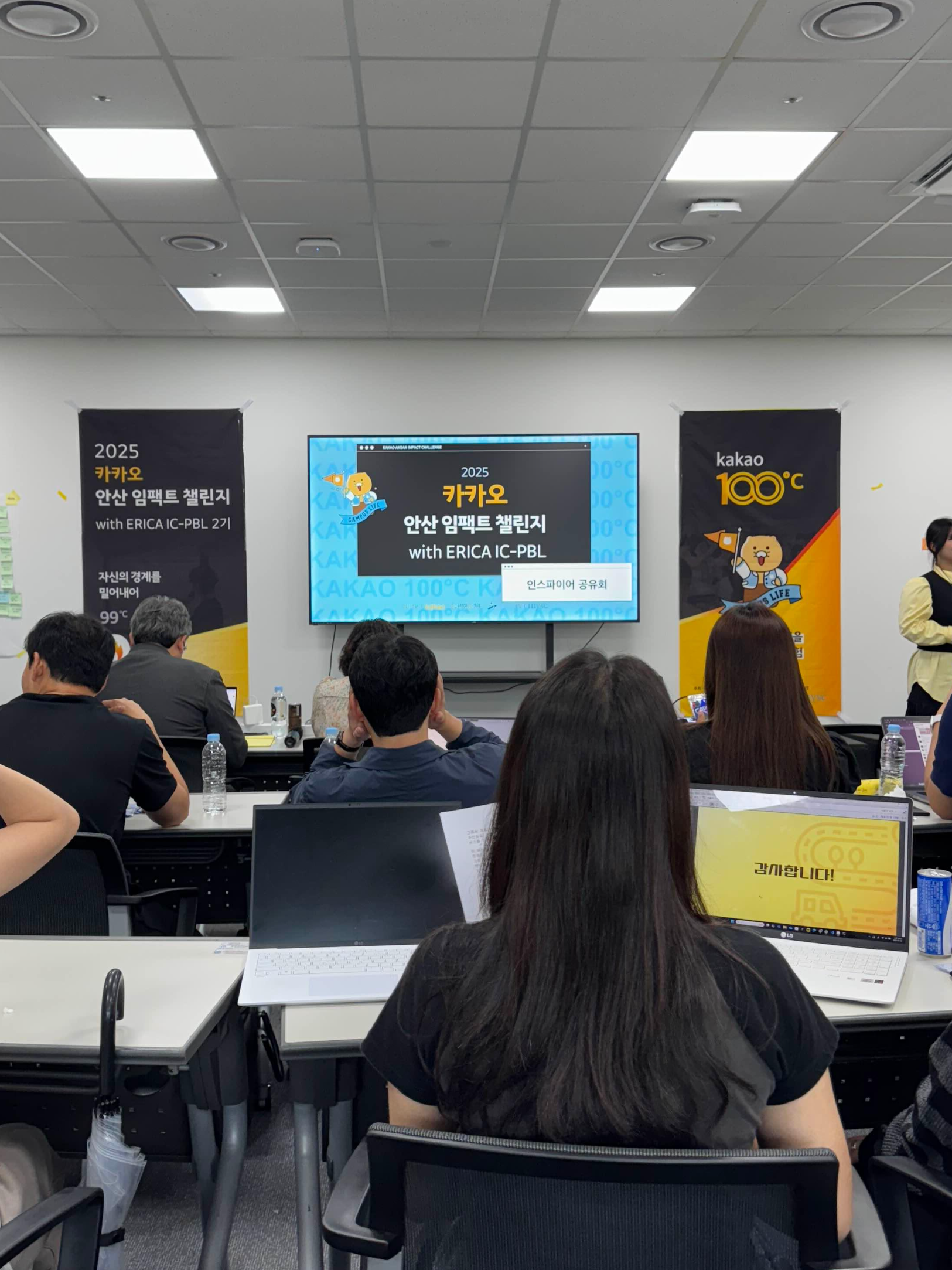
드디어 발표날이 다가왔습니다. 사실 다른 팀들은 어떤 방식과 아이디어로 준비했을지 정말 궁금했습니다.
제가 데스크 리서치를 할 때 발견했던 안산 내의 다른 문제들을 선택한 팀들은 분명 다른 솔루션을 제시할 것이고 그 다양하고 재치있는 그리고 열정이 담긴 결과물들을 얼른 만나보고 싶었기 때문이죠!
총 10팀의 발표가 끝나고, 대학생 팀 뿐만 아니라 안산시 공무원분들도 이번 카카오 챌린지에 참여해 솔루션을 개발하는데 동참했습니다.
무언가를 바꿔보고자 하는 사람들의 열정과 의지가 모이면 정말 다양한 선물같은 일들이 일어나겠구나 하는 생각이 들었습니다.
지역사회를 우리의 손으로 바꾸고, 그것을 체험할 사용자를 들여다보고, 아주 작은 것부터 실천해나가는 bottom-up 방식 그리고 현장 중심 접근법의 힘을 만나볼 수 있었던 시간이었습니다.
The Final Presentation Day Has Arrived. To be honest, I was really curious to see what other teams had prepared—their ideas, approaches, and how they tackled the problems they discovered in Ansan.
While doing desk research earlier, I had come across several other issues in the city. So I knew that the teams who chose different problems would bring fresh, creative, and passionate solutions to the table, and I couldn't wait to see them.
After all 10 university teams presented, we also saw solutions from Ansan City officials who had joined the Kakao Impact Challenge. It was inspiring to witness public sector workers stepping in to co-create solutions alongside students.
It really made me realize: when people with the will to make a difference come together, amazing and unexpected outcomes can happen.
This experience reminded me of the real power of bottom-up, field-based approaches—changing the local community with our own hands, designing for actual users, and taking the first small steps toward real, sustainable change.
마무리 Sum Up

오리엔테이션 팀 빌딩부터 밤샘 회의와 수정까지 마치 폭풍이 몰아치는 듯한 시간이었습니다.
뭐든지 지나고 나서야 보이는 것들이 있는 것 같습니다. 이렇게 하면 더 좋은 결과가 나왔을까? 이렇게 하면 더 옳은 방향으로 가는 길이었을까? 등 발표가 끝난 후에도 이런저런 고민과 생각들로 이후 밤잠을 설치는 일이 종종 있었습니다. 그만큼 제가 그 여정에 몰입했다는 의미이겠죠.
The time from orientation and team building to all-night meetings and major revisions felt like being swept up in a storm.
There are things you only start to see once everything is over. Would the outcome have been better if we had done it differently? Was that really the right direction to take? Even after the presentation, I found myself lying awake at night, replaying and reflecting on what happened. I guess it shows just how deeply I immersed myself in the journey.
이번 인스파이어 트랙을 이수하면서 배운점이 정말 많습니다.
우선 처음으로 발로 뛰고 손으로 만져보는 현장 중심 접근이 가능했다는 점입니다. 이때까지는 그저 학교에서 공부만 할 줄 아는 대학생에 불과했는데, 이번 챌린지를 통해 정말 실질적인 사용자는 누구인지, 그들은 어떤 생활 방식을 가지고 있는지, 어떤 것을 바라고 있고 피하고 싶은지 등을 직접 마주하는 자리였습니다. 이렇게 깊숙하고 사실적인 사용자 리서치를 해볼 수 있었다는 경험자체로 값졌습니다.
두번째로는 디자인 씽킹 프로세스를 바탕으로 프로젝트를 진행했다는 것입니다. 사실 저는 이때까지 디자인 씽킹이 무엇인지 몰랐습니다. 솔루션을 완성시키기 위해 어떠한 조건이나 방향성에 대해서는 인지하고 있었지만, 형식적으로 정해진 성공적인 틀을 따라 가는 것은 이번이 처음이었습니다. 그리고 그것을 팀과 함께 해보는 것도 처음이었습니다. 이번의 프로젝트 경험이 이후 제가 무언가를 만들어나감에 있어 큰 거름이 되리라는 것은 분명합니다.
세번째는 디자인 씽킹을 비롯한 agile한 접근 방식입니다. 특히 3일이 되지 않는 시간동안 리서치 자료 정리부터 최종 결과물과 발표까지 정말 말도 안되게 압축적이고 빠른 시간 내에 만들어야만 했습니다. 이렇게 빠르고 유연하게 돌아가는 상황에서 저는 오히려 희망을 많이 발견하게 되었습니다. 시도하고, 다시 시도하고, 또 다시 시도하는 반복적인 과정을 거치면서 팀과 결과가 더욱 단단해지는 과정을 갖게 되었습니다. 앞으로의 활동에서도 이러한 신속하면서도 지속적인 발전 방식을 지켜나가야겠다고 결심했습니다.
마지막으로 열정입니다. 저와 같이 지역개발과 사회 공헌에 참여하고 싶은 대학생들이 모여 무언가를 바꿔보고 결과를 내고 싶다는 열정을 가지고 참여한 모습을 지켜봤습니다. 저또한, 제가 할 수 있는 최대한의 아웃풋을 내기 위해서 시간과 체력을 투자했습니다. 이런 의지 넘치고 실행력 넘치는 학생들이 많다는 점이 감명깊었고, 나도 더 노력해야겠다는 동기부여를 가지게 되었습니다.
I gained so much from completing the Inspire Track.
First, it was my very first time engaging in true on-the-ground, hands-on research. Up until now, I was just a student who only knew how to study in a classroom. But through this challenge, I finally had the chance to directly face real users—understanding who they are, how they live, what they want, and what they try to avoid. Just being able to experience this level of deep and realistic user research was incredibly meaningful to me.
Second, I learned to carry out a project based on the design thinking process. Honestly, I didn’t even know what design thinking was before this. I had a vague sense of what to consider when creating a solution, but it was my first time following a structured framework known for producing successful outcomes. It was also my first time doing this kind of work as a team. I’m sure this experience will become a solid foundation for anything I create in the future.
Third, I experienced an agile, iterative approach grounded in design thinking. We had to go from research and data organization to final results and presentations in under three days—an incredibly compressed and fast-paced timeline. And yet, in that speed and flexibility, I discovered hope. Through a cycle of trial, revision, and retrial, our team and our project became stronger. I’ve decided to carry this mindset into my future work: move fast, stay open, and keep growing.
Lastly, passion. I watched so many fellow university students, just like me, come together out of a desire to contribute to regional development and social impact. Everyone showed such drive to change something and make meaningful outcomes. I also gave everything I had—my time, my energy—to deliver the best result possible. Seeing so many dedicated and action-oriented students really inspired me and reminded me that I, too, should push even harder.
사실 카카오 챌린지는 여기서 끝이 아닙니다.
앞으로 한 학기동안 학교에서 교수님과의 수업 그리고 카카오의 지원을 바탕으로 더 배우고 성장하는 시간을 가질 것입니다.
인스파이어 트랙이 끝나고 정말 힘들어서 그만둘까도 생각했지만, 시간이 조금 지난 지금 드는 생각은 여기서 물러서기는 너무 아쉽습니다.
실패하더라도 일단 끝까지 해보고 남은 한 학기도 나의 최선을 바쳐서 결과물을 만들어보고 싶다는 열정이 다시 생겼습니다.
그럼 나중에 다시 돌아올 것을 약속하며 다시 힘내보기!
But the Kakao Challenge doesn’t end here.
For the rest of the semester, I’ll continue this journey through a university class with a professor, alongside support from Kakao. I honestly considered quitting right after the Inspire Track because it was just so exhausting. But now, with a little time passed, I realize it would be such a waste to stop here.
Even if I fail, I want to see it through to the end. I’ve found new energy to give it my all and make the most of the remaining semester.
So with that, I promise to return stronger, and I’m ready to begin again!
끝 The End
'Projects in Uni' 카테고리의 다른 글
| 카카오 임팩트 챌린지 어스파이어 트랙 | KAKAO Impact Challenge Aspire Track (0) | 2026.01.08 |
|---|---|
| HYU Residential College 멘토 활동 후기 Mentoring Program Review (0) | 2025.12.06 |

